Roofing work in Downey
Repairs and full replacements go through the same three questions. The difference is who ends up receiving the request.
Be first in line
We are lining up licensed providers near you. Leave your details and we will email you when one can take this on.
You are on the list.
No provider in Downey is taking requests through this service yet. We are lining them up, and yours is kept until one can.
- Nobody gets your details yet. Your request stays with us and is not passed to any company.
- One email when someone can help. When a provider covering your area can take it on, we email you once and ask whether you want that company, by name, to contact you.
- Deleted after 90 days. If nobody can take it on, or you do not say yes, your contact details are deleted 90 days after your request.
- You decide, or you do not. There is nothing to cancel and nothing to pay us.
Nobody will call you about this request unless you say yes to a company by name.
What roofs are up against in Downey
Downey is home to about 109,368 people across roughly 36 square miles of Los Angeles County. The sea is around 17 miles away: near enough to drive the wind, far enough that corrosion is a secondary concern. Plots run generous, so the square footage being quoted is often larger than homeowners expect.
The failure that leads here is the autumn offshore winds, which find anything already loose. They also drive ember risk, which is why vent screening and Class A assemblies matter more here than the colour of the covering.
Behind it: the marine layer keeping the north slope damp. Slopes that never get direct sun stay wet for hours after the fog burns off, and that is where moss, lifted shingles and soft decking start.
It is worth asking any contractor to explain how they handle it — the answer separates the people who work here from the people passing through.
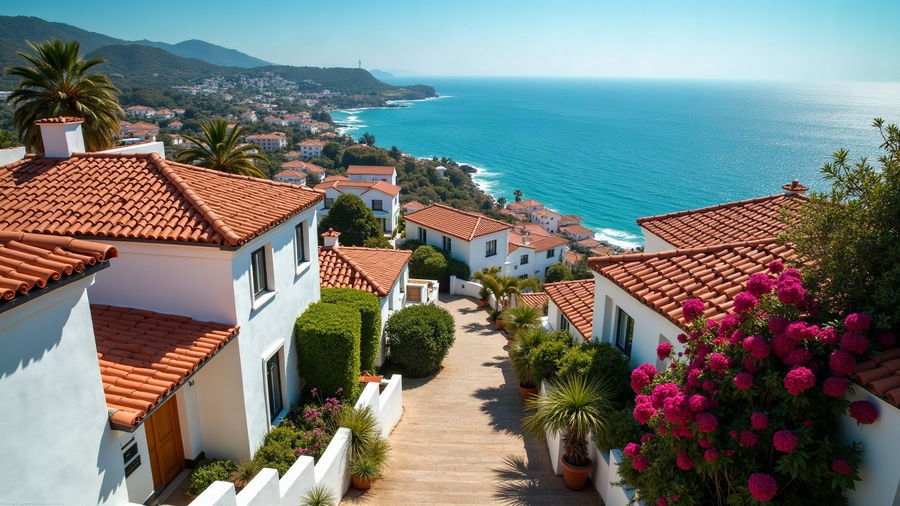
Illustrative photographs of roofing work in general. Not photographs of jobs arranged through this site.
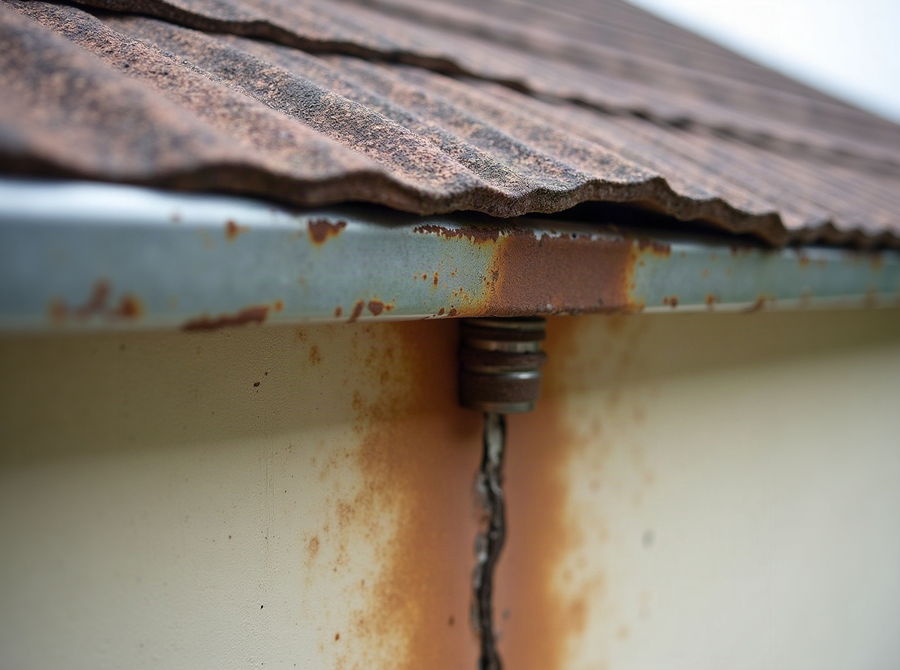
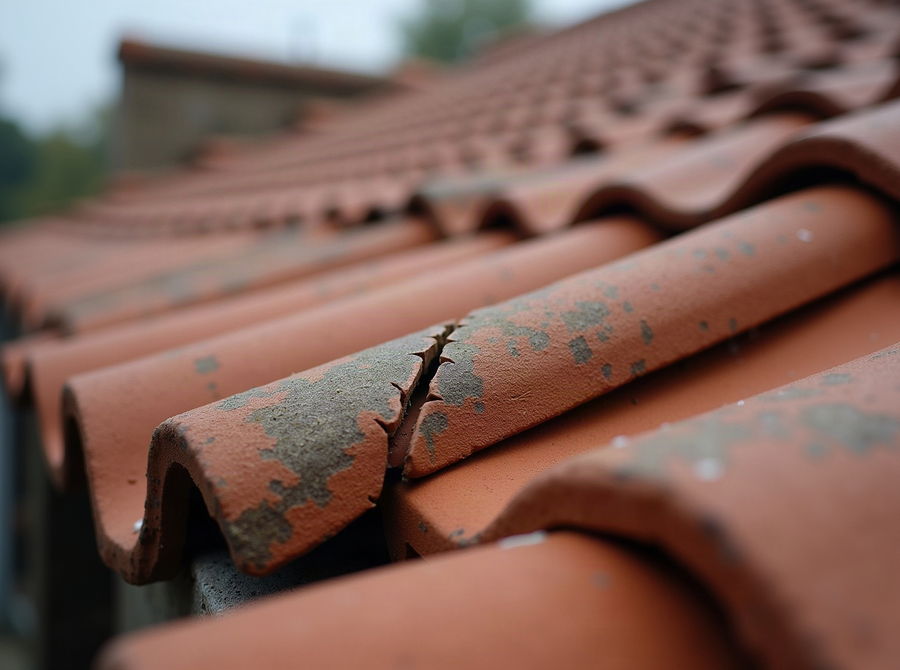
Illustrative photographs of roofing work in general. Not photographs of jobs arranged through this site.
Offshore wind events
They also drive ember risk, which is why vent screening and Class A assemblies matter more here than the colour of the covering.
Marine layer damp and slow drying
Slopes that never get direct sun stay wet for hours after the fog burns off, and that is where moss, lifted shingles and soft decking start.
Ember and wildfire exposure
Class A assemblies and closed-off vents matter more here than the colour of the shingle.